给你一个链表的头节点 head ,判断链表中是否有环。
如果链表中有某个节点,可以通过连续跟踪 next 指针再次到达,则链表中存在环。 为了表示给定链表中的环,评测系统内部使用整数 pos 来表示链表尾连接到链表中的位置(索引从 0 开始)。注意:pos 不作为参数进行传递 。仅仅是为了标识链表的实际情况。
如果链表中存在环 ,则返回 true 。 否则,返回 false 。
示例 1:
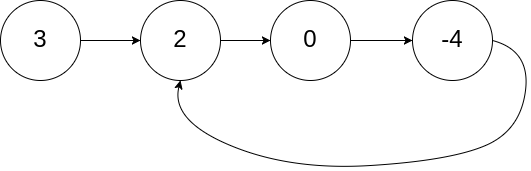
输入:head = [3,2,0,-4], pos = 1
输出:true
解释:链表中有一个环,其尾部连接到第二个节点。
示例 2:
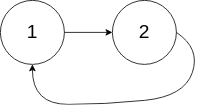
输入:head = [1,2], pos = 0
输出:true
解释:链表中有一个环,其尾部连接到第一个节点。
示例 3:

输入:head = [1], pos = -1
输出:false
解释:链表中没有环。
提示:
链表中节点的数目范围是 [0, 104]
-105 <= Node.val <= 105
pos 为 -1 或者链表中的一个 有效索引 。
进阶:你能用 O(1)(即,常量)内存解决此问题吗?
来源:力扣(LeetCode)
链接:https://leetcode.cn/problems/linked-list-cycle
解法1:
/**
 * Definition for singly-linked list.
 * class ListNode {
 *     int val;
 *     ListNode next;
 *     ListNode(int x) {
 *         val = x;
 *         next = null;
 *     }
 * }
 */
public class Solution {
    //初步想法:存储在list中,判断是否存在环
    public boolean hasCycle(ListNode head) {
        if(head == null){
            return false;
        }
        Set<ListNode> set = new HashSet<>();
        while(head != null){
            if(set.contains(head)){
                return true;
            }
            set.add(head);
            head = head.next;
        }
        return false;
    }
}
时间复杂度O(n)、空间复杂度O(n)
解法2:
/**
 * Definition for singly-linked list.
 * class ListNode {
 *     int val;
 *     ListNode next;
 *     ListNode(int x) {
 *         val = x;
 *         next = null;
 *     }
 * }
 */
public class Solution {
    //第二次想法:快慢指针
    public boolean hasCycle(ListNode head) {
        if(head == null || head.next == null){
            return false;
        }
        ListNode fast = head.next;

        while(head != null && fast != null && head != fast){
            head = head.next;
            fast = fast.next == null ? null : fast.next.next;
        }

        if(fast == null){
            return false;
        }

        return true;
    }
}