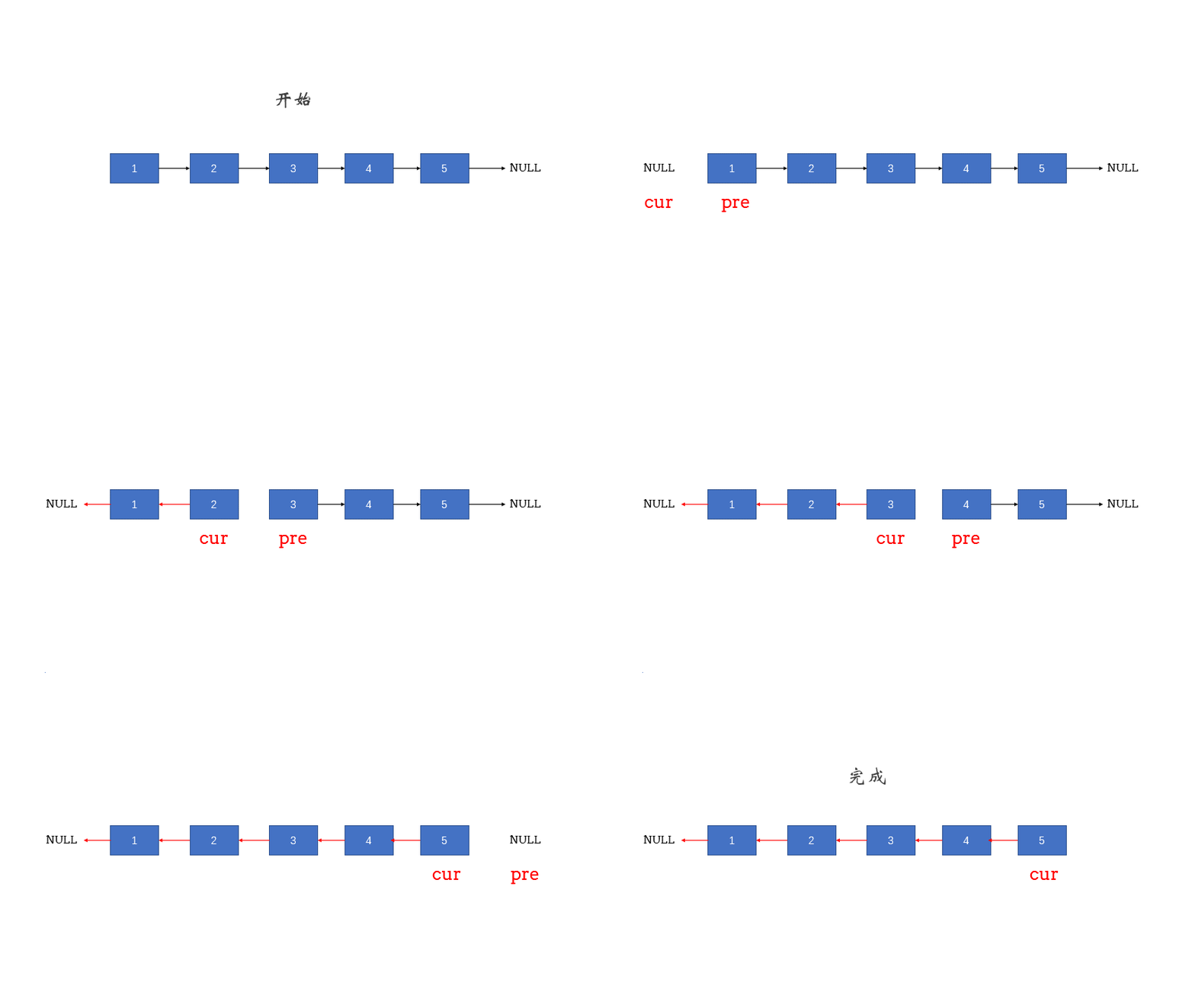
给你单链表的头节点 head ,请你反转链表,并返回反转后的链表。
示例 1:
输入:head = [1,2,3,4,5]
输出:[5,4,3,2,1]
示例 2:
输入:head = [1,2]
输出:[2,1]
示例 3:
输入:head = []
输出:[]
提示:
链表中节点的数目范围是 [0, 5000]
-5000 <= Node.val <= 5000
来源:力扣(LeetCode)
链接:https://leetcode.cn/problems/reverse-linked-list
进阶:链表可以选用迭代或递归方式完成反转。你能否用两种方法解决这道题?
这题同之前一道题十分类似:
/**
 * Definition for singly-linked list.
 * public class ListNode {
 *     int val;
 *     ListNode next;
 *     ListNode() {}
 *     ListNode(int val) { this.val = val; }
 *     ListNode(int val, ListNode next) { this.val = val; this.next = next; }
 * }
 */
class Solution {
    public ListNode reverseList(ListNode head) {
        ListNode reverse = null;
        while(head != null){
            ListNode temp = head;
            head = head.next;
            temp.next = reverse;
            reverse = temp;
        }
        return reverse;
    }
}
这里迭代的方式我们就不再重复了说明了
下面主要要说的是递归的形式:
我可以简单用
/**
 * Definition for singly-linked list.
 * public class ListNode {
 *     int val;
 *     ListNode next;
 *     ListNode() {}
 *     ListNode(int val) { this.val = val; }
 *     ListNode(int val, ListNode next) { this.val = val; this.next = next; }
 * }
 */
class Solution {
    public ListNode reverseList(ListNode head) {
        if(head == null || head.next == null){
            return head;
        }

        ListNode result = reverseList(head.next);
        //这里的head是2 ,head.next是3
        head.next.next = head;
        head.next = null;
        return result;
    }
}
这里可以用一个简单例子描述:
如果链表是:1->2->3
那么第一次循环结果为:
1->2<-3
具体可以见如下动图: